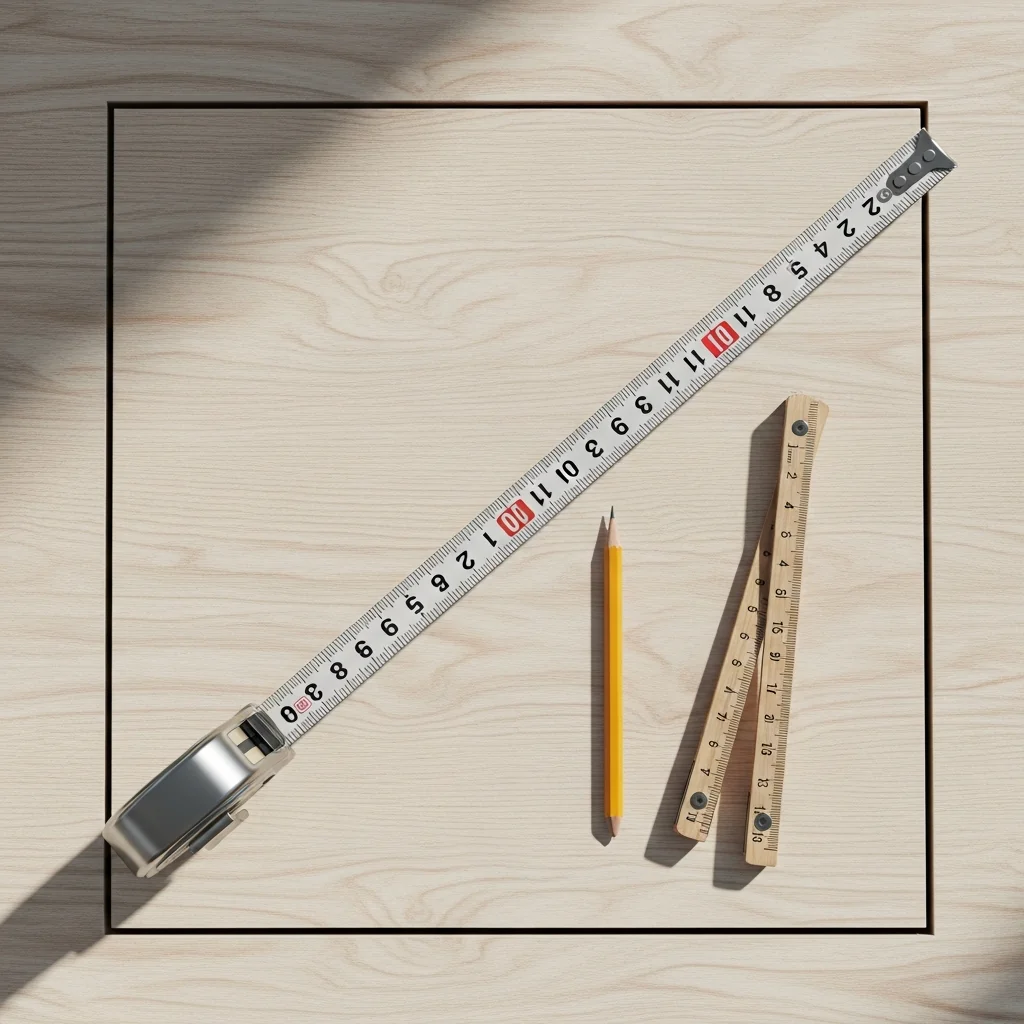
"How thick should the tile backer board be?" is the single most common question we get from contractors, architects and renovators specifying an Insutile project. There is no one-size answer — the right thickness depends on what is behind the board, what is going on top of it, and what job the board is being asked to do beyond simply receiving tile adhesive.
Insutile manufactures XPS tile backer board in seven thicknesses: 4 mm, 6 mm, 10 mm, 12.5 mm, 20 mm, 30 mm and 50 mm. Each thickness has a job. This guide walks through which one to specify for which application — and why.
Start with What the Board Is Actually Doing
Before reaching for a thickness, ask three questions:
- What is the substrate? A flat, sound, well-bonded surface (existing tile, concrete, plasterboard) tolerates a thinner board. A timber-framed stud wall, a curved surface, or a cantilevered shelf needs more rigidity.
- What goes on top? Light-format porcelain on a wall is undemanding. Large-format stone tiles on a floor with point loads from heavy fixtures asks more of the substrate.
- Is the board doing more than tile-bonding? If you are using it for thermal insulation, sound deadening, or as a structural element (a niche, a bench, a curbless shower base), thickness becomes a performance variable, not just a substrate one.
The thickness decision is really these three questions answered together. With that framing, here is the practical guide for each option in the Insutile range.
4 mm — The Thinnest Overlay
The 4 mm board is purpose-built for one job: overboarding existing sound surfaces with the absolute minimum dimensional change. It is the right answer when you are tiling over an existing tiled wall or floor and the room cannot afford to lose space, or when door frames, skirtings and fixtures will not tolerate a thicker build-up.
Use 4 mm for:
- Tile-over-tile renovations where space is tight
- Adding a waterproof layer over an existing sound substrate without re-doing trims and thresholds
- Wall recesses and shelf surfaces where every millimetre matters
Do not use 4 mm directly on stud framing or any unsupported surface — it is an overlay board, not a structural one.
6 mm — The Lightweight Wall Standard for Renovations
6 mm is the thickness of choice for most wall renovation work where there is a sound but imperfect substrate underneath: existing tiled walls, painted plaster, or older render. It overboards comfortably, hides minor surface variation, and fits within a finished wall build-up that includes adhesive and tile.
Use 6 mm for:
- Standard bathroom and kitchen wall overboarding
- Light-duty waterproofing on sound substrates
- Splashbacks, niches and accent walls in wet zones
10 mm — The Versatile Default
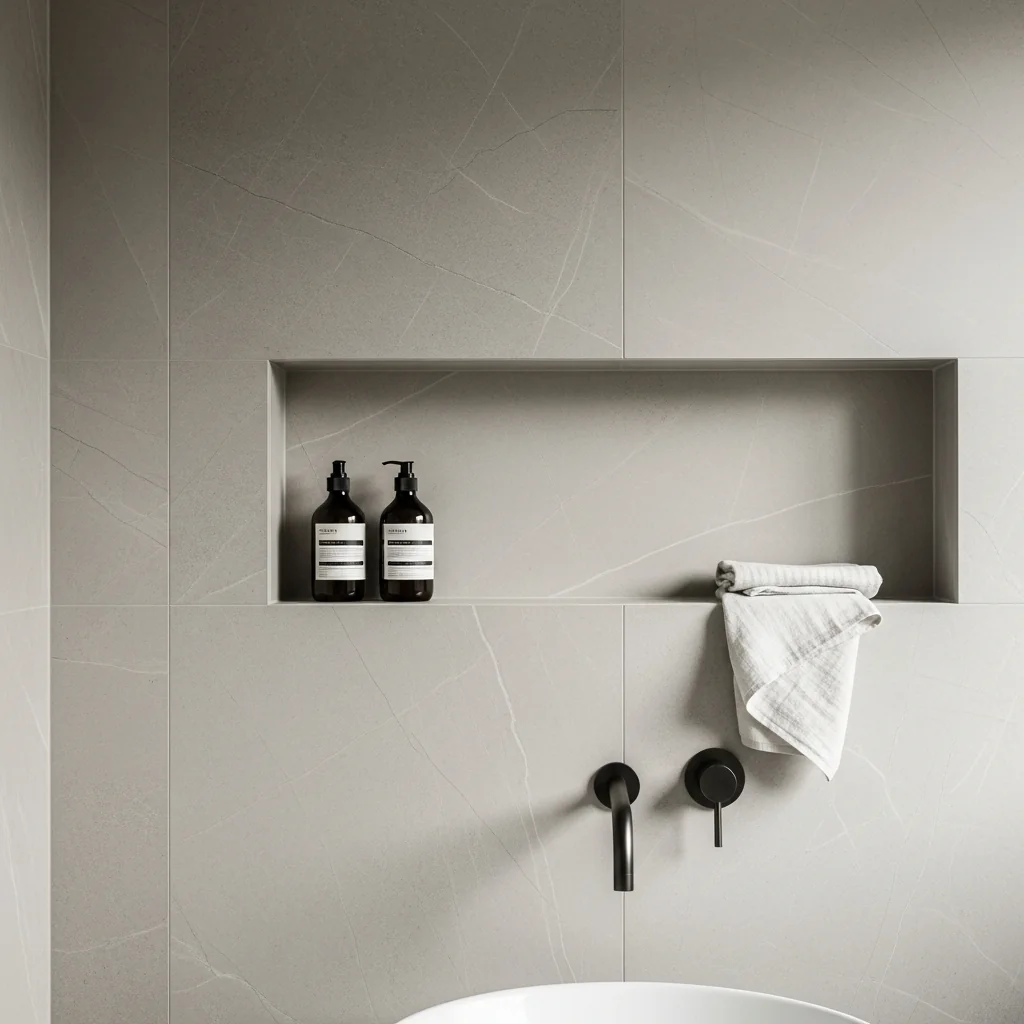
If you only specified one thickness for a typical European bathroom, 10 mm is the right one. It is rigid enough to span small substrate imperfections, strong enough for full-format wall tiles, and thin enough not to swallow space. It works on stud walls with appropriate batten centres, on solid masonry, and on prepared concrete.
Use 10 mm for:
- New-build bathroom and wet-room walls
- Most kitchen tiled surfaces, including backsplashes
- Light shower wall applications where a separate underlay handles the floor
For most projects this is the board you specify and only step away from when a specific reason — overboarding, heavy floor tile, thermal upgrade — pushes you up or down the range.
12.5 mm — The Floor-Capable Wall Board
12.5 mm sits at the crossover point between wall-only and dual-use. It is the thinnest Insutile board recommended for tiled floors with foot traffic, and it is the sensible upgrade from 10 mm whenever a wall will carry larger-format tiles, stone, or wall-hung fixtures.
Use 12.5 mm for:
- Standard tiled floors over a sound, prepared subfloor
- Walls that will carry heavy fixtures (basins, wall-hung WCs, mirrored cabinets)
- Stone-tiled surfaces that need extra substrate stiffness
- Light underfloor-heating installations where thermal mass is not a primary requirement
20 mm — Where Thermal Performance Starts to Matter
From 20 mm upward, the board's role shifts. It is no longer just a tile substrate — it is a tangible thermal layer in its own right. A 20 mm Insutile board adds roughly R-0.6 of insulation to the wall or floor it sits on. That is enough to noticeably warm a tiled bathroom in winter and to make underfloor heating significantly more efficient.
Use 20 mm for:
- Floors with electric or wet underfloor heating where thermal break matters
- External walls of bathrooms and kitchens where condensation control is a concern
- Wet rooms where a more substantial substrate improves long-term tile flatness and durability
30 mm — Serious Thermal Upgrade in the Same Step
30 mm boards are specified when the project explicitly wants the tile substrate to do thermal work. R-value is approaching R-1.0; combined with a properly insulated wall behind it, this can move a bathroom from a thermal weak point to one of the warmer rooms in the home.
Use 30 mm for:
- Renovations targeting an energy-rating uplift
- Underfloor heating systems on solid floors where thermal break must be maximised
- Tiled walls of cold-side bathrooms (north-facing, single-skin masonry, basements)
50 mm — Maximum Insulation, Niche Construction, Curbless Bases
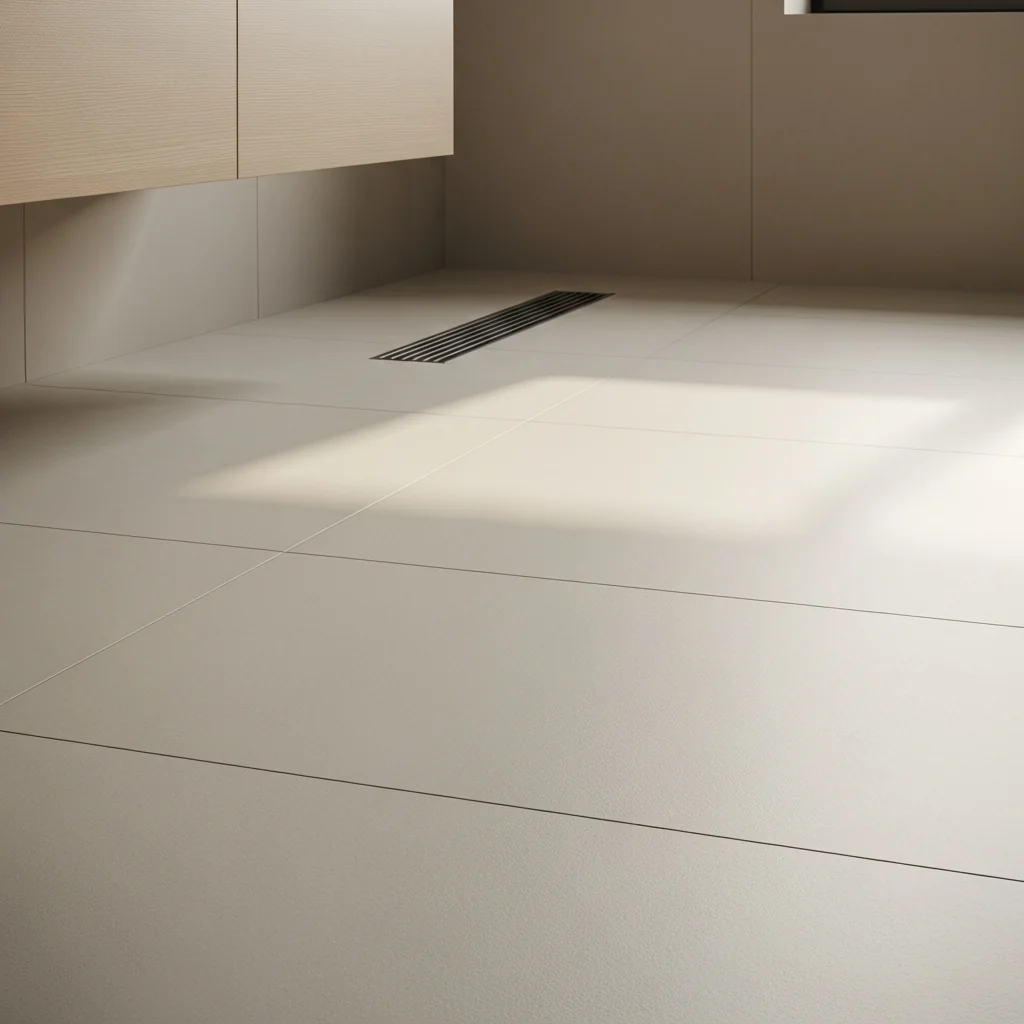
The 50 mm board is the heavy-lifter. It is the right choice when the board is acting as a structural insulation element rather than only a tile substrate.
Use 50 mm for:
- Building shower benches, niches, half-height walls and freestanding shower zones
- Curbless walk-in shower bases (often combined with a pre-formed sloped underlay)
- Thermal upgrades on solid floors where R-value is a primary deliverable
- Custom feature walls and tiled architectural elements where rigidity matters
Insutile 50 mm boards are routinely cut, glued and screwed into structural shapes — building a shower bench is a 30-minute job rather than a brick-and-mortar exercise.
Quick-Reference Thickness Matrix
If you need the answer in one glance:
- 4 mm — overboarding existing tile when space is critical
- 6 mm — standard wall overboarding
- 10 mm — default new-build wall
- 12.5 mm — standard floor, heavy-duty wall
- 20 mm — underfloor heating, condensation control, wet-room floors
- 30 mm — serious thermal performance, energy-rating uplift
- 50 mm — niches, benches, curbless shower bases, maximum insulation
One More Variable: Mixing Thicknesses Across a Project
The most efficient specifications often use more than one thickness. A typical bathroom might combine 6 mm walls (overboarding existing tiles), 12.5 mm floor (over the prepared subfloor), and 50 mm where a shower bench or niche is being built. The Insutile system is designed to do exactly this — every thickness shares the same closed-cell XPS core, the same cementitious facing, and the same sealants and tapes, so transitions between thicknesses are clean and watertight.
If you are unsure which combination fits your project, our technical team will work through your drawings or photos and recommend the right specification — including which thicknesses go where, how much board you need, and what accessories complete the system.
Need help specifying the right Insutile thickness for a current project? Explore the full XPS tile backer board range at insutile.com, request a sample pack, or talk to our technical team for a project-specific recommendation.